


Advanced Dentistry of Alhambra Blog

How Acid Reflux Can Affect Your Teeth

May 22, 2019

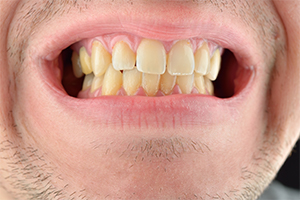
Close up of teeth damaged by acid reflux

Health conditions in other parts of the body can impact your oral health in significant ways.

What is GERD (Gastro Esophageal Reflux Disease)?

This is a chronic disease that occurs when stomach acid gets a wrong direction and flows up into the esophagus (a tube that connects stomach with the mouth), the throat and even into the mouth. Acid reflux and heartburn more than twice a week may indicate GERD.

Normally, the ring of muscles at the top of the stomach is strong and prevents acids from leaking. However, if the sphincter is not working properly, the acid can move up causing erosion on the walls of your esophagus, your mouth, gums, and teeth. This medical condition affects approximately every fifth adult in US.

(more…)

CEREC One Day Restorations

April 24, 2019

What Is Single Visit Dentistry?

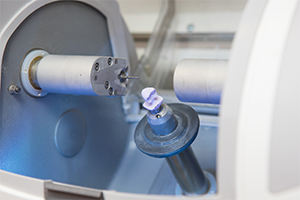
Close up of CEREC machine being used to make a dental crown

Single visit dentistry is a recent technology allowing dentists to fabricate crowns, veneers, onlay within the duration of a single dental appointment.

It’s also called CAD/CAM  (computer-aided design and computer-aided manufacturing). It consists of variety of technology and specialized dental software, all to scan, design and mill custom restorations during one visit to the dentist.

There are several different companies that use CAD/ CAM technology. My evaluation and  overview is based on my experienced with CEREC® (stands for Chairside Economical Restoration of Esthetic Ceramic).

(more…)

Are Baby Teeth Important?

October 24, 2018

“Why do baby teeth matter? They fall out anyways, right?”

Close up of young child with missing teeth

If we were like the sharks every time a tooth gets loose or decayed, a new one will come in place to replace it. That would’ve been nice but in reality people get one set of baby teeth that fall out by the time we reach 12-13 years of age and one permanent set of teeth that are supposed to last us a lifetime.

Primary teeth, or baby teeth, are very important to a child’s physical, emotional, and social development. Here are five reasons why baby teeth should be taken care of just as we take care of our permanent (adult) teeth.

(more…)

Does My Child Need Early Orthodontic Treatment?

September 26, 2018

Early orthodontic treatment starts between 6 and 11 years of age and doesn’t necessarily involve braces. As a matter of fact having braces too early can affect the normal development of the roots.

The main goal for early start is to influence the growth and development of the jaws so the permanent teeth will erupt naturally in their best possible position. Early orthodontics does not eliminate the need of braces in every single case but often makes braces easier, faster and more effective. There are different dental appliances used for early orthodontics. They work by navigating the body’s natural growth patterns.

Standard Ortho treatment begins when most of the permanent teeth are in the mouth and involves braces or clear aligners.

Early Ortho treatment is NOT necessary in every case. Here are some situations where you should consult with your dentist for early treatment.

(more…)

Less is More When Surgically Treating a TMJ Disorder

August 15, 2018

TMJ is the temporomandibular joint, or the joint that connects the lower jaw to the rest of the head. Temporomandibular joints are pair, positioned on left and right in front of the ears. They are hinges like and have pretty similar anatomy to the knee joint: lower jaw has rounded end, that fits a socket located in your head. There is a rubbery like disk that acts like a shock absorber during normal mouth opening and closing.

TMJD or TMD stands for TMJ disorder are a group of conditions that cause pain and dysfunction in the jaw joint and muscles that control jaw movement. TMJ disorder may result of several different factors, such as stress, bruxism (teeth grinding and clenching), arthritis in the TMJ, or trauma and injury to the head, neck, or jaw.   Clicking on its own is common (20% of people have it) and unless it is associated with pain  or reduced mouth opening, it does not normally require treatment.

(more…)