


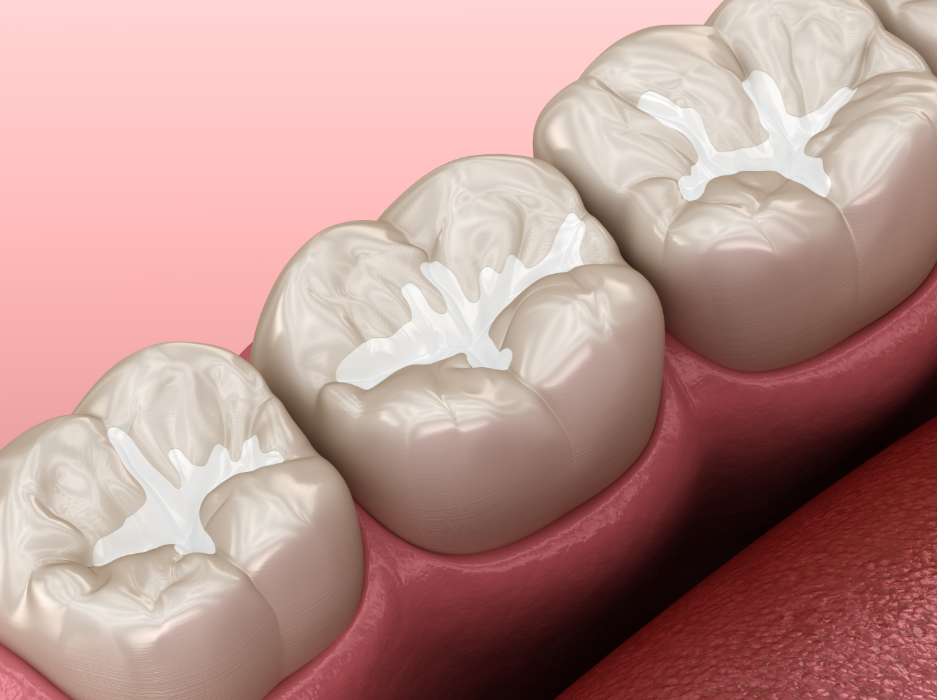
Dental fillings are one of the most common ways to repair cavities and restore damaged teeth. Once a filling is placed, many patients assume the problem is solved forever. While fillings are durable and designed to last for years, they do not last indefinitely. Over time, normal wear and tear can cause fillings to weaken, crack, or loosen.
The lifespan of a dental filling depends on several factors, including the material used, the location of the filling, and how well the tooth is cared for afterward.
How Long Different Fillings Typically Last
There are several types of dental filling materials, and each has a different average lifespan.
Composite resin fillings, also called tooth-colored fillings, are popular because they blend naturally with surrounding teeth. These fillings often last between 5 and 10 years, though many can last longer with proper care.
Amalgam fillings, sometimes called silver fillings, are known for their durability. They can often last 10 to 15 years or more, especially in areas of the mouth that experience heavy chewing pressure.
Gold fillings are among the longest-lasting options and may remain in good condition for 15 to 30 years. However, they are less commonly used today due to cost and appearance preferences.
Ceramic fillings can also be very durable and stain-resistant, often lasting well over a decade when properly maintained.
The location of the filling matters too. Fillings placed on molars endure more pressure from chewing and grinding, which may cause them to wear down faster than fillings on front teeth.
Signs a Filling May Need to Be Replaced
Even if a filling still appears intact, it’s important to have it checked regularly by your dentist. Fillings can weaken gradually over time, and small problems may not always be visible or painful at first.
One common warning sign is tooth sensitivity. If you notice increased sensitivity to hot, cold, or sweet foods near a filled tooth, the filling may be worn or damaged.
Pain while chewing can also indicate a cracked or loose filling. In some cases, patients may even feel rough edges or notice part of the filling missing.
Discoloration around the edges of a filling may suggest that bacteria are entering small gaps between the filling and the tooth. This can allow new decay to develop underneath the restoration.
Sometimes fillings fail silently without noticeable symptoms, which is why regular dental exams and X-rays are so important. Dentists can often detect problems early before they lead to larger issues like infections or fractures.
How to Help Fillings Last Longer
Good oral hygiene is one of the best ways to extend the life of your fillings. Brushing twice daily, flossing every day, and attending regular dental cleanings help protect both the filling and the surrounding tooth structure.
Avoiding habits like chewing ice, biting hard objects, or using teeth as tools can also reduce the risk of cracks and damage.
If you grind or clench your teeth at night, your dentist may recommend a custom nightguard to help protect your restorations from excessive pressure.
Eating a balanced diet and limiting sugary foods and drinks can help reduce the risk of new cavities forming around existing fillings.
With proper care and routine dental visits, many fillings can continue protecting your smile for years to come.
About the Practice
At Advanced Dentistry of Alhambra, patients receive personalized dental care designed to protect and restore healthy smiles. The practice offers durable, natural-looking tooth-colored fillings along with comprehensive preventive and restorative dentistry services. Using modern techniques and patient-focused care, the dental team works to help patients maintain strong, healthy teeth and long-lasting dental restorations.
Call us at 626-289-6131 or schedule your appointment online.